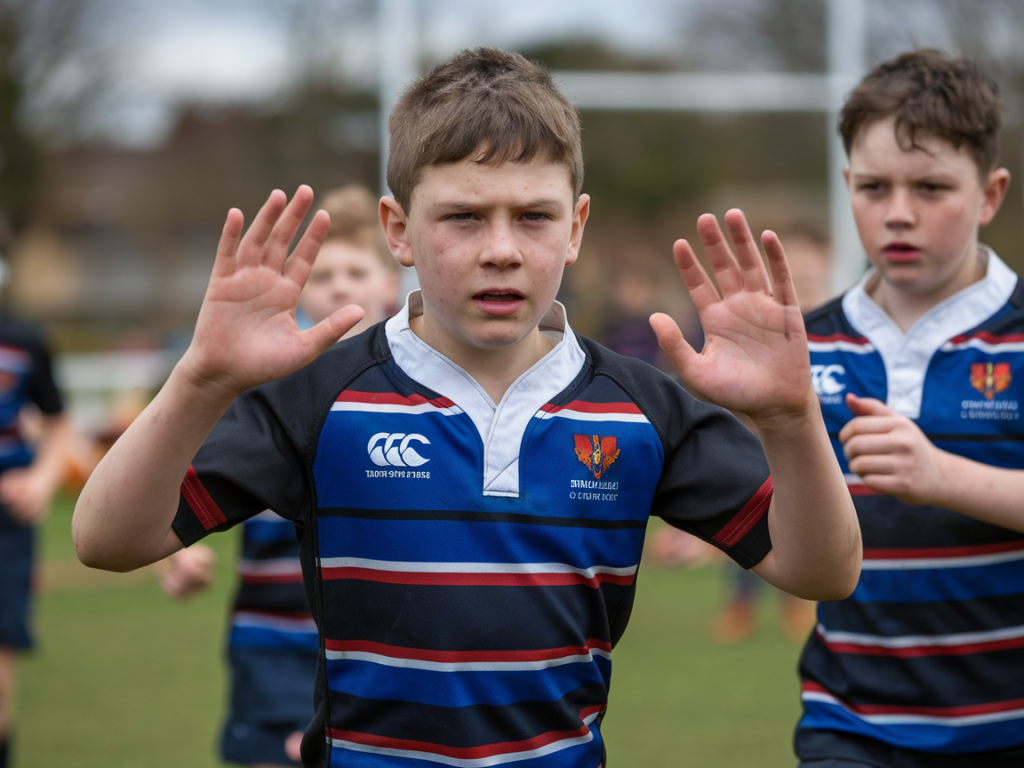
When I'm working with young backs on the training ground, one question keeps coming up from parents and coaches: "What exactly should a 12‑year‑old centre be learning if they want to fast‑track into senior rugby?" It’s a great question because the centre position blends physicality, decision‑making and communication—qualities that, when developed early, put a player ahead of the curve. Below I lay out the specific defensive roles, the skills that underpin them, and practical drills and a sample progression you can use straight away.
Core defensive roles a young centre must master
At 12, the emphasis should be on roles rather than rigid positions. Centres must be able to:
These roles form the backbone of what scouts and senior coaches look for: game sense, physical competence and reliability under pressure.
Skill set and technical priorities
To execute those roles reliably, focus on these technical elements:
Physical attributes (speed, strength, agility) matter, but the biggest differentiator at this age is decision‑making under pressure combined with rock‑solid tackling.
Practical drills to build each role
Here are drills I use with 11–13 year olds. Keep them short, high‑intensity and repeatable.
Set up two small gates (cones 1.5m apart) 10m apart. An attacker runs through one gate at random; the centre must sprint from a standing start, pick a gate and make a front‑on tackle inside the gate. Rotate frequently. Focus: first step, decision speed, low tackling. Reps: 6–8 per player, 3 sets.
Create a 15m wide defensive line. The attack has four players; the centre is paired with a winger. On coach signal, offence attacks; defenders must choose to blitz (rush up and attempt to stop) or hold (drop and prevent outside). Score points for successful stops and penalise overcommits that allow a line break. Focus: timing of line speed, communication. 6–8 minute rounds.
Three attackers run a sweeping line across the field. Three defenders (including the centre) must drift in unison, changing angles to push the attack wide and force a pass. Add a designated "cut" where the attack changes direction to force cover decisions. Focus: lateral movement, communication, angle of pursuit.
Low impact collisions: centres practise hitting a tackle pad, wrapping and driving to displace the pad. Follow with a simulated ruck where they secure the ball or clear a small defender. This builds contact confidence and breakdown awareness.
Isolate centre against an outside back in a 20m channel. Offender has options to pass or take on the defender. Defender practices forcing the error or winning the tackle. Emphasise body position to force inside or outside choices.
Weekly progression plan (sample)
| Day | Focus | Session content |
|---|---|---|
| Monday | Technique | Warm‑up + Reaction Tackle Gates + Contact drills (30–40 mins) |
| Wednesday | Decision making | Blitz vs Hold Zone Game + 1v1 Decision Drills (30–40 mins) |
| Friday | Conditioning & skills | Cover and Drift Relay + Handling under pressure + shuttle sprints (35–45 mins) |
| Sunday | Game day or small‑sided scrimmage | Apply roles in match play; coach feedback and video clips (60 mins) |
This plan balances technique, decision training and match application. At 12, volume should be moderate—quality reps beat quantity.
How to coach the decision making — cues and checkpoints
Decision making is what separates a good 12‑year‑old from one who will fast‑track into older age groups. Teach recognisable cues:
Use simple checkpoints for young players to self‑assess during games: "Am I talking?", "Can I see the passer’s hips?", "Am I overcommitting?" Keep coaching messages short and consistent.
Physical development and injury prevention
Strength and conditioning should be age‑appropriate and fun. Focus on bodyweight strength (push‑ups, squats, lunges), core stability and plyometrics for power. I often use lightweight med balls and rugby‑specific movements. Brands like Gilbert and Rhino provide durable equipment for clubs; Fitlight or simple cones work for reaction drills.
Key items:
Using video and feedback
Recording matches or training provides massive returns in learning. At this age, show short clips (30–60s) highlighting one teachable moment: a good decision, a missed opportunity, or a technical fix. Ask players to describe what they saw before you give feedback; this strengthens game awareness.
Mental traits that accelerate selection
Beyond skill, selectors look for attitude. The centres who climb quickest show:
I encourage young players to keep a short training journal: what they practiced, what felt good, one target for the next session. That habit pays off in attention to detail and demonstrable improvement when coaches review progression.
If you're a parent or coach looking to fast‑track a promising 12‑year‑old centre, keep the work purposeful, varied and game‑centred. Technical repetition, decision drills, small‑sided games and smart conditioning will create the profile senior coaches want: a reliable tackler, sharp thinker and vocal organiser in the midfield.