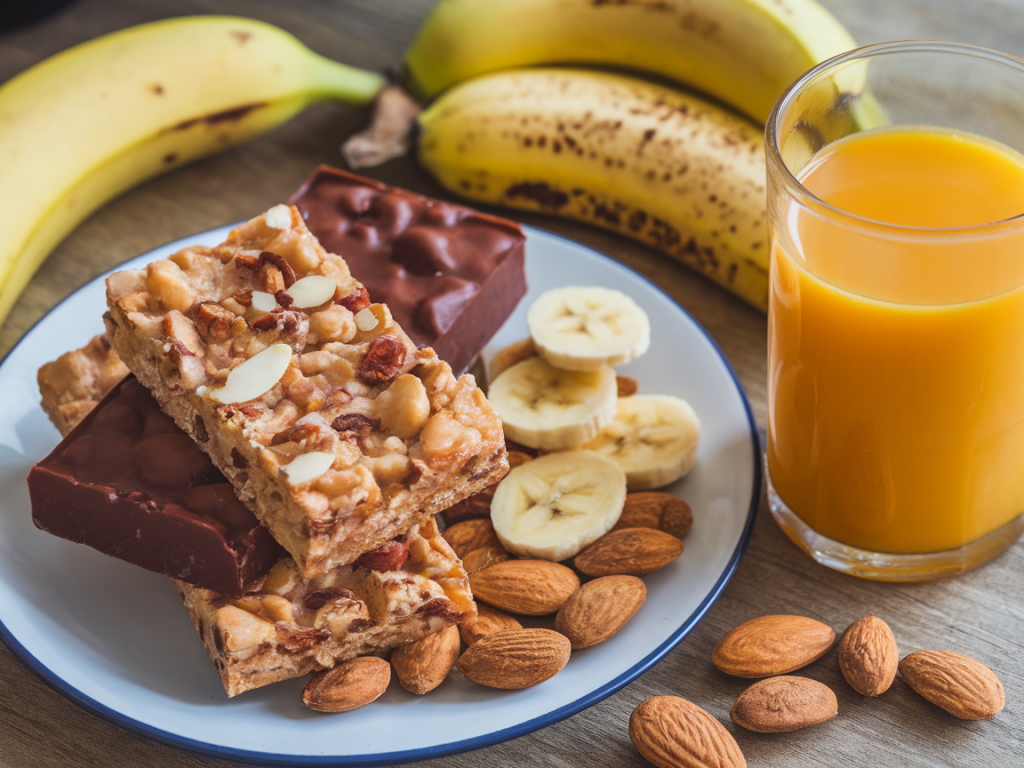
I coach and write about performance every week, and one question I keep getting from amateur footballers is simple: what should I eat straight after a 90‑minute match to refill my glycogen stores as quickly as possible? The short answer most coaches give — "eat carbs" — is right, but there's nuance. In this piece I’ll walk through the evidence-backed options that actually speed glycogen resynthesis, how much you need, timing, and practical snack ideas you can use in a clubhouse or in the car on the way home.
Why glycogen matters after a full match
Glycogen is the primary fuel for repeated high‑intensity efforts in football. After 90 minutes you’ll have depleted a large portion of your muscle glycogen, especially if you pushed the intensity or played in hot conditions. Faster glycogen resynthesis means you’re more prepared for training or another match within 24–48 hours. For amateurs who train twice a week or play midweek and at the weekend, that difference can be decisive.
Key principles that speed glycogen resynthesis
Research and practical experience point to a few reliable rules:
How much carbohydrate do you actually need?
Let’s be practical. If you weigh 70 kg and want rapid recovery after a match, aim for 70–84 g carbohydrate each hour for the first 4 hours. That sounds like a lot but you can split it into manageable snacks and drinks.
Example for a 70 kg player:
Best snack types and why they work
Here are categories that consistently perform well in studies and on the pitch:
Practical snack examples (what I actually tell players to bring)
Below is a table I use in training packs. It lists common clubhouse snacks, approximate carbs and protein per serving, and a note on practicality.
| Snack | Carbs (g) | Protein (g) | Notes |
|---|---|---|---|
| 500 ml chocolate milk | 50–60 | 15–20 | Convenient, 3:1 carb:protein |
| 500 ml sports recovery drink (maltodextrin) | 60–80 | 0–5 | Fast absorption, add protein separately |
| 2 jam sandwiches (white bread) | 60–70 | 8–10 | Cheap, club‑friendly |
| 2 bananas + 250 ml yoghurt | 50–60 | 8–12 | Whole food, easy to prepare |
| 2 energy gels + 500 ml water | 60–80 | 0 | Use if appetite low, combine with protein later |
| Protein bar (carb focused) + juice | 40–60 | 10–20 | Portable, but check sugar alcohols |
Timing and a real post‑match plan
Here’s a simple timeline I recommend to players after a game:
Does adding protein really help?
If you’re already taking the recommended carbohydrate amounts, protein doesn’t significantly increase the rate of glycogen resynthesis — but it helps muscle repair and recovery. If you can’t reach the high carb targets, adding ~20 g protein to a smaller carb snack improves glycogen repletion compared with carbs alone at low doses. Practically, I advise including protein (chocolate milk, protein shake, yoghurt) if you’ll be training again soon or if you’re muscle‑sore.
Brand examples I use with teams
Practical, shelf‑stable choices that clubs can stock:
Practical caveats
Not everyone tolerates sugar or high volumes of liquid immediately after a match — nausea and gut upset are real. Start with smaller volumes and choose what you know works. Also, if you have 48+ hours between matches, there’s less need to push 1.2 g/kg/h for four hours; a balanced diet with total daily carbohydrate around 6–10 g/kg over 24 hours will restore glycogen adequately.
If you want, I can put this into a one‑page printable checklist for your team bag or create a grocery list of club‑friendly recovery items. I often hand these out after training sessions — consistent, simple habits win more matches than perfect nutrition plans that nobody follows.