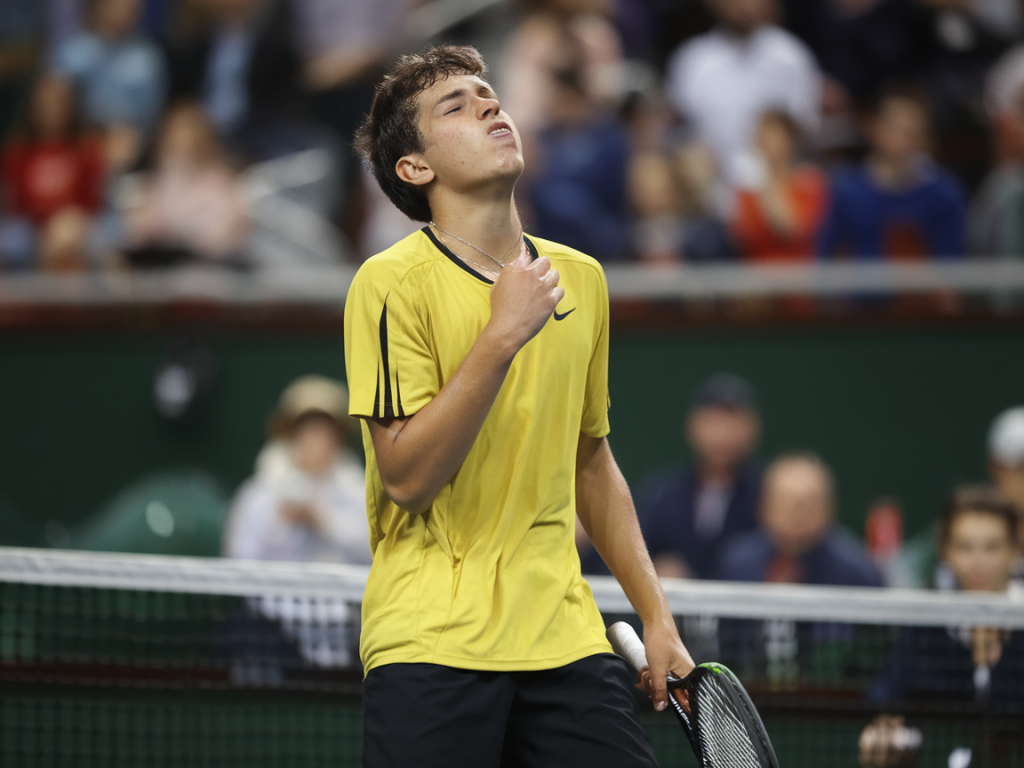
Performing well when it matters most is a skill, not an accident. Over the years working on the pitch and in the analysis room, I’ve coached talented young athletes who could dominate entire tournaments — then freeze or “choke” in a final. What separates those who break through from those who don’t is often a simple, trainable set of mental habits. Below I outline a practical, evidence-led program you can implement with teams or individual athletes to reduce choking in high-pressure finals.
What “choking” really looks like
Choking isn’t just nervousness. It’s a shift in attention and physiology that disrupts skills that are usually automatic. The athlete becomes self-conscious, overthinks technique, tightens up, or rushes decisions. From my coaching sessions this typically shows as:
Increased muscle tension and stiff movementRushed or delayed decision-makingOver-focus on outcome (score, trophy) rather than processSelf-critical inner dialogue that grows through the matchUnderstanding these markers helps us design interventions that target the root causes rather than just telling a player to “calm down.”
Principles that guide the program
When I build a mental resilience program I stick to a few guiding principles:
Specificity: Train the mind under conditions that resemble finals: noise, time pressure, decisions under fatigue.Progressive exposure: Gradually increase pressure so athletes build tolerance without overwhelming them.Process over outcome: Reinforce controllable behaviours and routines rather than fixating on winning.Measurement: Track subjective and objective markers — perceived pressure, heart rate, decision speed — so progress is visible.Program structure — 8 weeks, 3 phases
I typically run an 8-week cycle divided into three phases: Foundation (weeks 1–2), Skill-building (weeks 3–6), and Simulation & consolidation (weeks 7–8). Each week includes 2–3 mental training sessions integrated with physical practice.
Foundation (Weeks 1–2): Build awareness and basic tools
Session 1 — Baseline and education: Explain choking mechanics, collect baseline measures: perceived pressure (1–10), resting and post-exertion HR, and a short decision-making test (e.g., passing under time pressure). Keep a simple log.Session 2 — Breathing and arousal control: Teach diaphragmatic breathing (4-4-6 pattern) and box breathing. Practice during easy drills, then under moderate exertion so athletes learn to down-regulate while moving.Session 3 — Identifying performance triggers: Through conversation and video review, identify moments that trigger self-focus (e.g., missed chances, vocal pressure). Have athletes write a “trigger map”.Skill-building (Weeks 3–6): Train attention and routines
This is where theory turns to habits.
Pre-performance routines: Create short, consistent pre-shot / pre-kick / pre-lineout routines lasting 8–12 seconds. Anchor them to sensory cues (breath, gaze, a hand texture). Repetition builds muscle memory for calm.External focus drills: Choke is often internal focus. Shift attention outward — target details, opponent body position, ball flight — through drills. For example, in a penalty practice, have the shooter focus on a mark on the net rather than leg mechanics.Acceptance and labeling: Train athletes to name the emotion (“tightness,” “racing thoughts”) without judgement. Labeling reduces amygdala activation and prevents escalation. I use short mindfulness scripts (2–4 minutes) after training warm-ups.Decision speed under pressure: Use small-sided games with micro-goals and time limits. Add noise, scoreboards, or small penalties to raise stakes gradually.Simulation & consolidation (Weeks 7–8): Pressure exposure
This phase is crucial — replicate finals in controlled, repeatable ways.
Match-simulation sessions: Run full-intensity practice games with consequences: winner gets a reward, loser does extra conditioning, or a public recognition. Increase crowd noise (speakers), refereeing strictness, and time pressure for set plays.High-pressure skill blocks: Design sequences where players must complete a set number of actions under time and audience pressure (e.g., 10 successful passes in 30 seconds with a chant track at 80 dB).Post-simulation debrief: After each simulation, review moments where athletes defaulted to worrying. Use video, highlight successful routine use, and discuss adjustments.Tools and tech I use
Technology can speed learning and provide objective feedback. I recommend:
Heart rate monitors (Polar, Garmin) to see physiological response during pressure drills.Simple EEG headbands like Muse for short guided attention training sessions — useful for athletes who benefit from immediate feedback.Apps for guided breathing and mindfulness: Box Breathing (free timers), Calm or Headspace for short, sport-specific scripts.A phone with a decibel app and playlists to recreate crowd noise intensity for simulations.Coaching language and culture
How coaches talk to athletes shapes pressure responses. I aim for language that is:
Prescriptive: Give specific behaviours to execute (“Look at the far post, breathe, strike”) rather than vague encouragement.Process-focused: Celebrate routines and decisions independent of outcome (“Great reset after that turnover — your recovery routine worked”).Normalising pressure: Regularly say that feeling nervous is normal; it’s how you respond that matters. Share examples of elite athletes who use routines (watch penalty routines from top footballers or rugby kickers).Monitoring progress — what to measure
Track both objective and subjective metrics weekly:
Perceived pressure on a 1–10 scale before and after simulated finals.Heart-rate response and recovery time during simulations.Decision-making accuracy and time in targeted drills.Routine adherence rate (how often athletes used their pre-performance routine).Common stumbling blocks and fixes
Players skip the routine under pressure: Make routines extremely short and well-rehearsed. Anchor them to unavoidable moments (e.g., when the ref signals). Practice them hundreds of times.Parents or coaches increase stakes unintentionally: Brief non-playing staff on the program. Encourage supportive, process-based language on the sideline.Over-reliance on mindfulness apps: Apps help but must be integrated into movement. Use guided breathing while jogging or during drill breaks to make transfer seamless.Making it stick
Resilience is built through repeated, manageable exposure. The goal is not to eliminate nerves — it’s to create a reliable pathway from activation to performance. Keep records, celebrate small wins, and gradually increase the challenge. Over a few cycles, athletes learn that finals are just another environment in which their routines work.
At Samsophsaints Co I publish practical templates and scripts I use with youth squads — you can adapt them for football, rugby or athletics. If you want the 8-week session plan in a printable format, or a short script for pre-performance routines, tell me which sport and age group and I’ll tailor it.