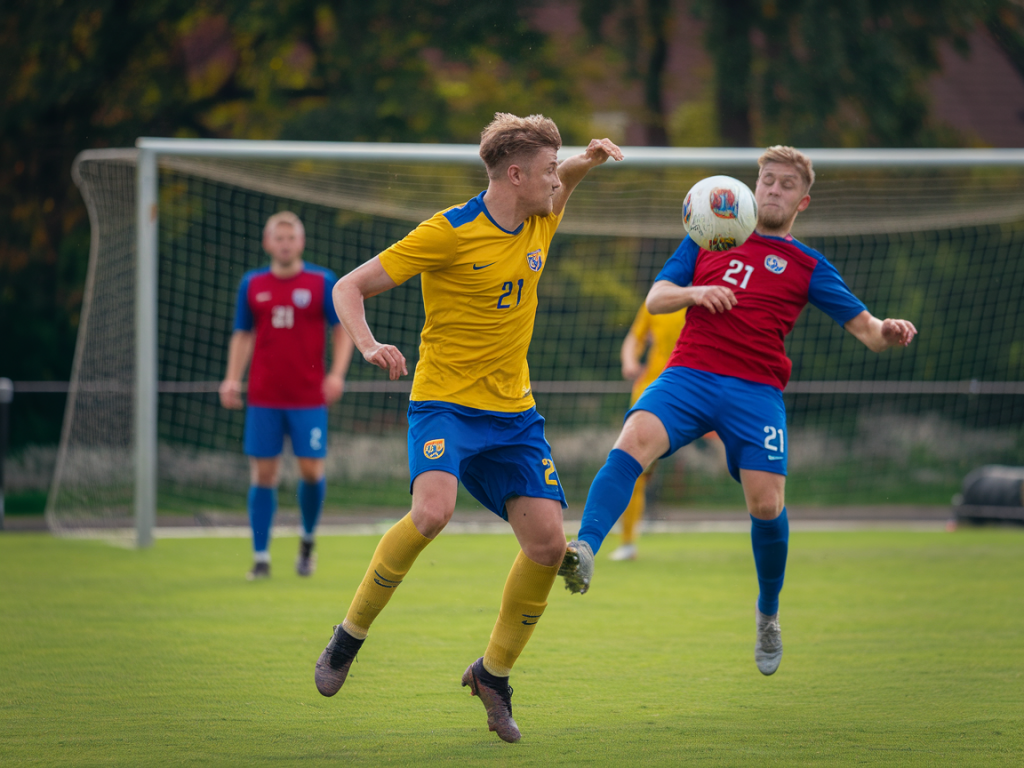
I love watching Premier League teams press: the coordinated triggers, the sudden aggression, the way a whole unit moves as one to shut down space and force turnovers. As a coach working with grassroots teams on a budget, I know we can’t replicate the athleticism or the resources of top clubs, but we can absolutely train the principles that make those presses effective. Below I share a 60-minute session made of three 20-minute drills that replicate common Premier League pressing triggers — and all you need is cones, a few bibs, and a ball.
Why 20-minute drills?
Twenty minutes is a sweet spot for focus and intensity. It allows for explanation, repetition, and short rest without losing the tactical theme. Each drill contains focused reps of a specific pressing trigger: opponent touch/pass trigger, body-orientation trigger, and numerical overload trigger. Repeating one trigger in short, intense blocks helps players recognise cues in match situations and react instinctively.
Session structure (60 minutes)
| Phase | Duration | Focus |
|---|---|---|
| Warm-up (dynamic) | 10 mins | Movement prep, low-intensity pressing actions |
| Drill 1: Touch/Pass trigger | 20 mins | Immediate press on first touch or sideways pass |
| Drill 2: Body orientation trigger | 20 mins | Press based on opponent facing/ball direction |
| Drill 3: Overload trigger | 20 mins | Create and exploit 2v1/3v2 pressing moments |
Drill 1 — Touch/Pass Trigger (20 minutes)
Purpose: Train immediate pressure when an opponent takes a specific action (first touch, backward/sideways pass) — typical of many high-intensity presses.
Setup: 30x20m grid. Two teams of 5 + 1 neutral support player. Cones mark a central channel where pressing must be triggered.
- Start with Team A in possession along one sideline, Team B defending.
- If a player on Team A receives the ball and makes a sideways or backward pass (or the coach can shout “TOUCH!” to simulate a heavy first touch), the nearest defender sprints into the channel to press the ball-carrier.
- Other defenders shift to cover passing lanes — the idea is an immediate 1v1 press that turns into collective pressure.
Progressions:
- Introduce a 6-second rule: pressing team must force turnover or win the ball within 6 seconds for a point.
- Add a second neutral so the team in possession has more passing options and defenders must communicate to choose who presses.
Coaching points:
- Explosive first step — press before the opponent’s head-up pass.
- Delay and channel — other defenders should not immediately dive in; they must force play into the pressing channel.
- Communicate triggers: call “side” or “back” to keep everyone aligned.
Drill 2 — Body Orientation Trigger (20 minutes)
Purpose: Recognise and attack players with poor body orientation — when an opponent receives facing their own goal or with back to play, it’s a trigger to press aggressively.
Setup: 40x30m area split into thirds. Two teams of 6 with one goalkeeper or target player if you want crossing as an outlet.
- Play is normal but when a player in the central third receives the ball with their back to their intended play (i.e., not facing target player), pressing team must immediately apply a two-player pressure — one to press, one to cover the immediate pass options.
- Allow quick counter-attacks down the wings if the press is bypassed to reward accurate escape passes.
Progression:
- Add scoring incentives: a successful press win in the central third counts double.
- Introduce a ‘flip’ rule where the receiving player must turn within 3 seconds or suffer a point deduction — forces defenders to time their approach.
Coaching points:
- Watch body shape, not the ball. Train players to read shoulders and hips.
- The pressing player’s angle matters: you want to steer the opponent into your teammate (cover) and away from safe outlets.
- Work on recovery runs — if the press is beaten, defenders must sprint to cover the spaces left behind.
Drill 3 — Overload/Trigger Switch (20 minutes)
Purpose: Create and exploit small overloads (2v1, 3v2) — many Premier League presses use selective overloading to force predictable exits.
Setup: 30x40m area. Two teams of 7 (one team has an extra player in an outside channel acting as an outlet). Divide pitch into a central corridor with two outside channels.
- When the ball is played into the central corridor, the defending team must immediately create an overload on that side by shifting two players to press the carrier. The team in possession may use the outside channel outlet to relieve pressure.
- If defenders achieve a turnover, they play quickly to the opposite outlet for a counter-attack goal (small goals or a target area).
Progressions:
- Limit touches to increase pressure — 2-touch for attackers to emphasise speed.
- Add a floating defender who switches sides based on coach’s call to practice rapid channel reallocation.
Coaching points:
- Switch quickly: overloading is about numbers and speed, so defenders must move as a unit.
- Use the outside channel as the “punishment” area — attackers should be rewarded for quick, accurate passes that relieve the press.
- Fitness management: rotating players every 5 minutes keeps intensity high without overtaxing individuals.
Equipment and budget tips
You don’t need fancy gear. I use:
- 12 cones (cheapest option at any sports store or Amazon)
- 12 bibs in two colours
- 2 small pop-up goals or flat cones as targets
- A basic stopwatch or free phone timer for intervals
If you want to add tech, a cheap radar (like those under £100) helps track sprint repetitions, but it’s not essential. For diagramming drills on your phone, the free app “TacticalPad” or even Google Slides works well for showing positions quickly before reps.
Common mistakes and fixes
- Mistake: Players swarm the ball uncoordinatedly. Fix: Emphasise roles — presser, cover, balance.
- Mistake: Pressers get isolated or bypassed easily. Fix: Train recovery runs and stagger pressing entries so someone provides depth cover.
- Mistake: Low match intensity during drills. Fix: Use scoring, short rest, and rotating squads to keep energy high.
These three 20-minute drills focus on the recognition and reaction side of pressing — the mental triggers that precede physical commitment. Done consistently, players learn to spot touch or pass cues, read body orientation, and create overloads under pressure. That’s how small, budget grassroots teams can bring Premier League pressing principles into their weekly training and actually see them replicated on matchday.