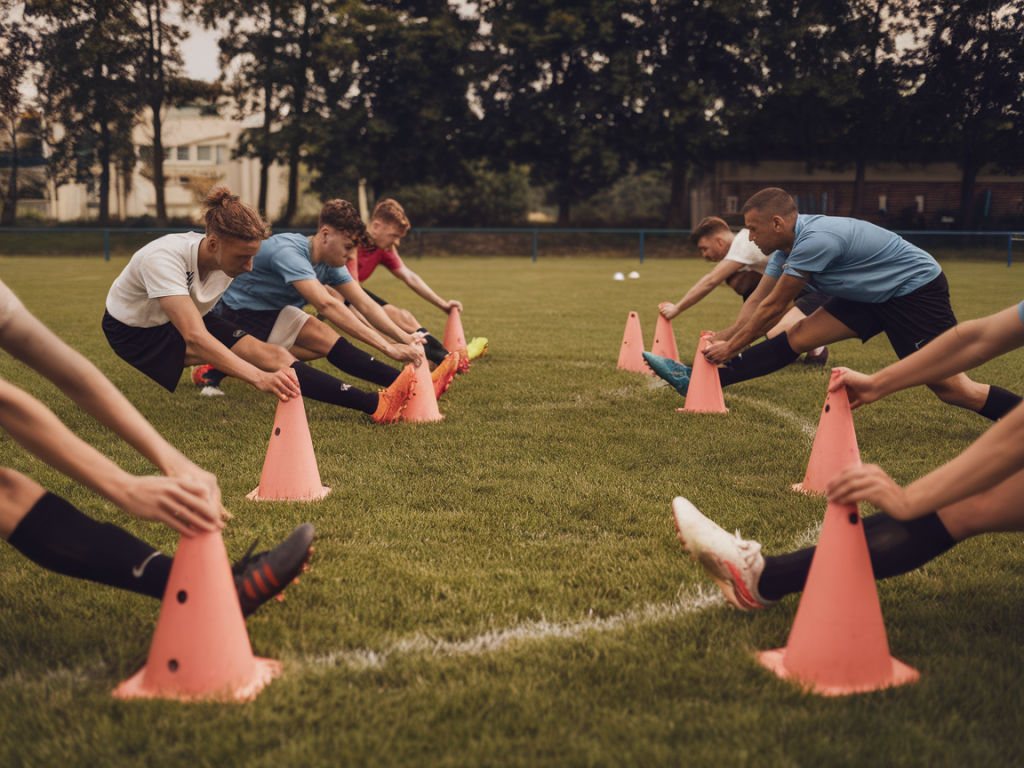
I’ve coached teams through more than one congested fixture run — cup ties, league blocks and fixture pile-ups caused by weather or international breaks. In those weeks you stop treating each match as an isolated event and start thinking in blocks: how do I keep players sharp, minimise fatigue-related injuries, and ensure we’re still competitive three matches in seven days? The recovery routines that work aren’t magic; they’re a combination of measured interventions, smart monitoring and consistent basics done right. Below I share the evidence-based steps I use with teams, plus practical protocols you can apply straight away.
Prioritise sleep like it’s a training session
Sleep is non-negotiable. Acute sleep loss impairs decision-making, reaction time and physical output — all critical for football and rugby. During heavy schedules I make sleep the first prescription.
- Target: 8–9 hours per 24-hour period where possible. For athletes used to 7 hours, aim to add 30–60 minutes across naps.
- Pre-match and post-match strategy: If matches finish late, plan a 20–30 minute nap the next morning and a longer nap (60–90 minutes) in the afternoon. Avoid naps close to bedtime.
- Practical tip: Use sleep hygiene: cool, dark room; remove screens 60 minutes before bed; consider blue-light glasses post-evening travel.
Nutrition and fluid strategies that support recovery
What players eat and when they eat it underpins every other recovery step. After a high-intensity match the objective is to refill glycogen, start muscle repair and rehydrate.
- Immediate post-match (0–45 minutes): 20–25g protein + 1.0–1.2 g/kg carbohydrate in the first hour. For a 75 kg player that’s ~75–90 g carbs plus 20–25 g protein. Think chocolate milk, recovery shakes (e.g. Performa, Purezza), or a sandwich with lean protein and fruit.
- Next 4–24 hours: regular balanced meals; target 6–10 g/kg/day carbs across the day depending on volume; 1.6–2.2 g/kg/day protein for repair.
- Hydration: Start with a recovery drink containing electrolytes if sweat losses were high. Use bodyweight change as a guide: aim to be within 1% of pre-match body mass by the next day.
Active recovery sessions — the underrated tool
Active recovery is more than a gentle walk. It’s planned, low-intensity movement that promotes circulation, clears metabolic byproducts and helps players feel lighter without adding stress.
- Timing: 12–36 hours after match. Keep intensity at 50–60% of max heart rate.
- Modalities: 20–40 minutes light aerobic (bike, pool, easy pitch movement), mobility work, and 8–10 minutes of neuromuscular activations (light sprints, accelerations at submaximal effort).
- Load management: Use a simple RPE check — if players report >5/10 effort or soreness limiting movement, reduce session time or move to passive recovery.
Cold-water immersion (CWI): when and how to use it
Cold-water immersion has a place, especially for subjective recovery and reducing muscle soreness after repeated high-intensity efforts. The evidence shows short-term benefits for perceived recovery and reducing DOMS; it’s less consistent for long-term performance adaptation, so I use it selectively.
- Protocol: 10–12 minutes at 10–15°C within 30–60 minutes post-match or intense session.
- Where I don’t use it: Immediately after resistance strength sessions when you want hypertrophy and adaptation — cold blunts some adaptations, so avoid same-day strength-focused sessions.
- Personal note: For fixture runs I’ll use CWI after the second game in a short block to help the squad physically and mentally reset.
Compression, massage and pneumatic devices
Compression garments (socks, tights) and pneumatic compression devices (e.g. NormaTec) improve subjective recovery and may enhance venous return, aiding clearance of metabolites.
- Compression: Worn during travel or for a few hours post-match. It’s low cost, low risk and players like it.
- Pneumatic boots: Use 20–30 minute sessions once or twice in a recovery day for heavy legs — practical for squads that travel frequently.
- Massage: 10–20 minutes of light, non-deep tissue massage within 24 hours feels beneficial. Deeper work can be saved for when there’s a recovery day without a match next day.
Neuromuscular and mobility maintenance
During fixture congestion you don’t want to lose speed and technical quality. Short, targeted sessions preserve neuromuscular function without excessive load.
- Micro-sessions: 10–15 minutes daily of activation drills: A-skips, quick feet, 2–4 x 20–30 m accelerations at 80–90% with full recovery.
- Mobility: 10–15 minutes of targeted mobility and soft tissue work to keep joints moving and reduce injury risk.
Use monitoring to individualise recovery
No two players recover the same. Heart-rate variability (HRV), wellness questionnaires, jump tests and session RPE are simple tools to guide interventions.
- HRV & wearable tech: Devices like Polar or WHOOP can show trends. I use HRV drops >10% as a caution flag to reduce load or increase recovery strategies.
- Countermovement jump (CMJ): A 2–3 minute test can detect neuromuscular fatigue. If CMJ power falls significantly from baseline, shift sessions to active recovery and mobility.
- Wellness forms: A simple morning form asking about sleep, soreness, mood and fatigue guides selection of who needs extra attention.
Travel and logistics — small details that matter
Fixture congestion often comes with travel. Managing travel effectively preserves sleep, reduces dehydration and keeps routines consistent.
- Plan travel around sleep: If a late flight is unavoidable, schedule naps and adjust training times to allow for sleep debt recovery.
- Nutrition during travel: Pack carbohydrate-rich snacks, protein, and electrolyte drinks; avoid high-fat meals pre-match.
- Compression for travel: Encourage players to wear travel compression to mitigate venous pooling on long trips.
Rotation, minutes management and tactical adjustments
Recovery routines can only do so much. Effective squad rotation and in-game management are crucial during fixture congestion.
- Rotation: Where possible rotate 2–3 starters across a three-match week. Preserve your absolute key players for the most important fixtures.
- In-game load reduction: Use substitutions early to manage individual load, or adjust tactics to reduce high-intensity running if medical or monitoring flags arise.
- Communication: Be transparent with players about rotation rationale — explaining that management is to protect availability helps buy-in.
Sample 7-day recovery block (table)
| Day | Primary focus | Example session |
|---|---|---|
| Match Day | Performance + immediate refuel | Match; 20–25g protein + carbs within 45min; light cooldown 10–15min |
| MD+1 | Active recovery + sleep | 20–40min bike or pool, mobility, massage/compression; naps as needed |
| MD+2 | Neuromuscular maintenance | 10–15min activation; tactical walkthrough; strength session light (if scheduled) |
| MD+3 | Match prep or travel day | Light technical session; travel protocols; sleep prioritised |
| MD+4 | Match or heavy session | Match or high-intensity training — monitor player loads |
| MD+5 | Recovery focus | Active recovery, CWI if needed, nutritional strategy |
| MD+6 | Taper & prepare | Short, sharp technical session; mobility; sleep prep |
Finally, two practical mantras I use with teams: first, “start with the basics” — sleep, nutrition and controlled movement will out-perform flashy recovery gadgets if those basics are neglected. Second, “individualise within the team” — use simple monitoring to pick who needs more or less intervention. During congested schedules that targeted approach keeps players available and performs better across the block.