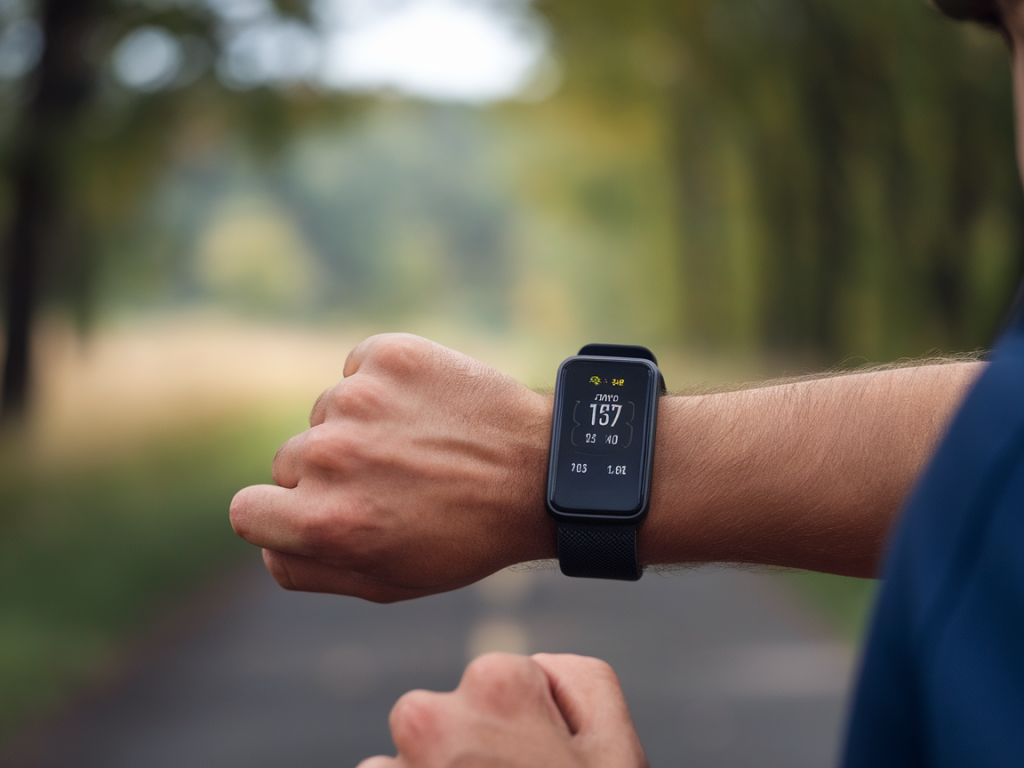
When I coach sprint sessions and try to get usable data out of a limited club budget, the crucial question I ask is: which wearable will give me repeatable, trustworthy sprint metrics without bankrupting the kit cupboard? Over the years I’ve tested and worked with a number of devices across football, rugby and athletics settings, and I’ve settled on a practical approach: pair a good foot-pod or IMU device with an affordable GPS watch or phone app. Below I break down the best options for clubs with budgets under £500, what each device actually measures well (and poorly), and how to get the most reliable sprint data from them.
What “reliable sprint data” really means
Before recommending brands, it helps to be clear on what we want:
GPS watches can be good for peak speed over longer runs but struggle with short explosive sprints because of sampling rates and positional smoothing. That’s where foot pods or IMU-based systems often win: they sample more frequently and aren’t dependent on satellite lock for short bursts.
Devices and brands worth considering (under £500)
Below are the practical devices I use or recommend for clubs on tighter budgets. Prices vary, so check current retail cost — but all these options keep you under the £500 threshold for a single device, and many pair well to give a robust system.
| Device | Estimated price | Strengths | Limitations |
|---|---|---|---|
| Stryd footpod | ~£150–£220 | Very accurate pace, cadence, and step length; great for short bursts and indoor work; integrates with many watches. | No GPS position; measures pace/power rather than raw GPS track. |
| Coros Pace 2 / Coros Pace 3 | ~£150–£250 | Affordable GPS watch with high sampling rates and good satellite performance; lightweight for athletes. | GPS still has limits for very short sprint windows; best paired with a pod. |
| Garmin Forerunner 255 / 255S | ~£280–£350 | Reliable GPS, wide ecosystem, easy data export and session tagging; popular with clubs. | GPS smoothing can hide true peak speed in very short sprints. |
| Vmaxpro (or similar IMU/video units) | ~£150–£350 | Designed for sprint testing, gives accurate split times and peak speed via IMU/camera analysis; good for repeatable testing. | Some models require phone/tablet for capture; not always designed for continuous match tracking. |
| Polar Verity Sense | ~£80–£120 | Armband IMU that gives reliable cadence and distance for indoor/outdoor drills; budget-friendly. | Not focused on top-speed accuracy; better for tempo work and indoor testing. |
Recommended set-ups for clubs under £500
Depending on your priorities — match tracking vs testing — here are three setups I actually use or advise clubs to adopt.
How to use these devices to get reliable sprint metrics (practical tips)
Buying the right gadget is only half the battle. The other half is how you use it:
What I tell clubs when they ask for a single purchase
If a club can buy only one thing, I usually recommend a quality footpod (like Stryd) and pairing it with an existing phone/GPS watch the players already own. Footpods convert stride mechanics into very stable pace and split data for short sprints — the weakest link for GPS-only solutions. If you have a little more cash and want a dedicated sprint-testing device, an IMU-based tool like Vmaxpro gives excellent short-sprint accuracy for formal testing days.
Final practical thoughts from the pitch
Devices are tools, not answers. For coaches and teams working under £500, focus on devices that measure the core sprint variables (peak speed, split times, acceleration) consistently, then build a repeatable testing protocol. The combination I reach for most often is Stryd + affordable watch (Coros or Garmin) because it balances accuracy, usability and cost — and it scales as budgets grow (Stryd integrates with many platforms).
If you’d like, I can put together a sample 6-week sprint testing template and exact device setup instructions for your squad model (youth, adult amateur, semi-pro). Tell me your squad size and whether you prefer the simplest path or the most accurate one for testing days.