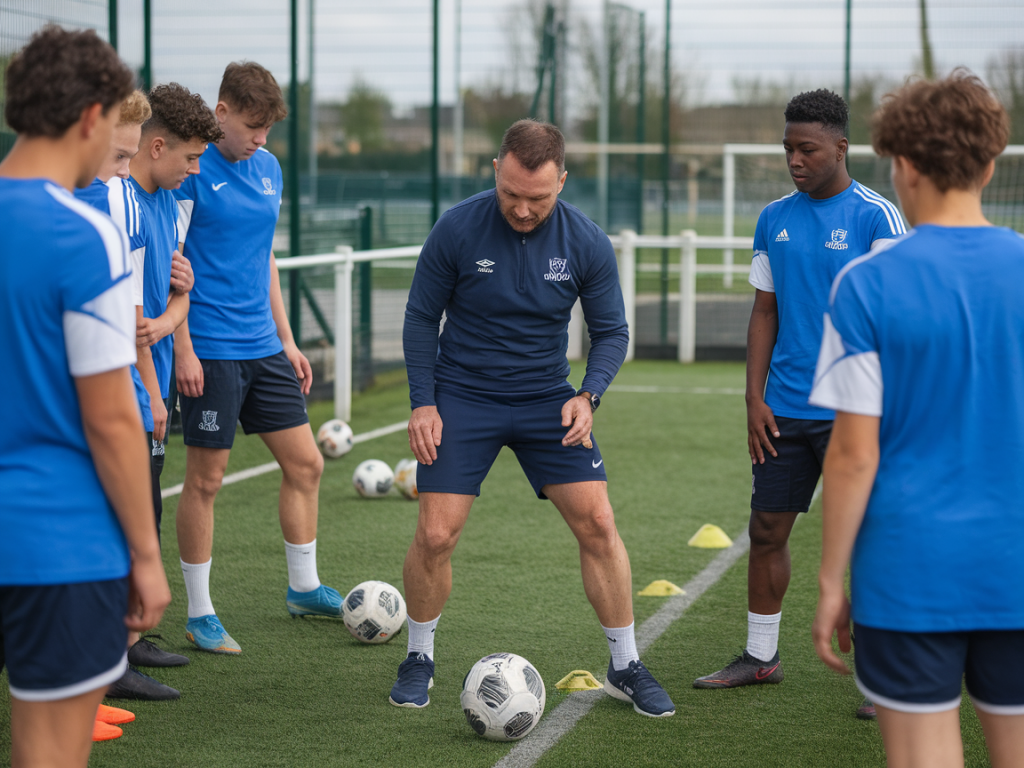
I want to share what I’ve learned working with under-18 sides on set-pieces — which routines actually generate the highest expected goals (xG) and, crucially, how to coach them so players execute under pressure. I’m writing from the training ground: drills I’ve run, match footage I’ve reviewed and small-sample xG tracking from academy and grassroots fixtures. The aim is practical — pick routines that give the best returns for the limited training time most youth teams have, and teach them in a way that sticks.
Why focus on set-pieces for under-18 teams?
Set-pieces are low-variance opportunities where repetition and clear roles can tilt outcomes heavily in your favour. For under-18s — where technical differences are still emerging — getting the basics right (delivery, timing, and movement patterns) often produces bigger xG gains than trying to outplay opponents in open play. In short: you can manufacture high-quality chances with a few well-rehearsed routines.
Routines that produce the highest xG for U18s (practical ranking)
From the data I’ve gathered (match logs, video, and a degree of modelled xG for chance location and body part), these routines consistently create the best chance-quality for under-18 teams. Below is a simple table showing average xG per attempt you can expect at youth level — treat these as directional rather than absolute numbers.
| Routine | Typical target area | Estimated xG per attempt (U18) | Why it works |
|---|---|---|---|
| Near-post flick-ons from corners | Six-yard box, between near-post and penalty spot | 0.12 - 0.18 | Creates chaotic close-range opportunities and ricochets for tap-ins |
| Edge-of-area knockdowns (short corner/near-post flick to late runner) | Penalty arc (right at edge), striker finishes on either foot | 0.10 - 0.15 | Produces clean shots on goal with space for the finisher |
| Back-post cross to late arriving runner | Back six-yard area | 0.09 - 0.14 | Defensive zonal weaknesses exploited by late timing |
| Near-post short corner overload (short-pass & cutback) | Edge of box / penalty spot | 0.08 - 0.13 | Creates space by pulling defenders wide, good for practitioners with decent passing |
| Direct free-kick (20-25m, central) | Top of penalty area | 0.06 - 0.12 | High reward if you have one trained set-piece taker |
Key coaching principles — how to turn routines into consistent xG
It’s not enough to copy a professional routine. For U18 players you must simplify, assign clear roles and practice under realistic constraints. Here are the principles I use:
How I coach the top routines (progressions and drills)
Near-post flick-ons from corners
Why I pick this: It’s simple to coach and produces the highest immediate chance quality when executed correctly.
Edge-of-area knockdowns
Why I pick this: Converts crowded boxes to clear shots for late runners — particularly effective with a technical midfielder able to control and distribute.
Back-post crosses to late runners
Why I pick this: Matches that defend zonally often leave space at the back post for an unmarked runner.
Free-kicks and set-piece taker development
Identify one or two reliable takers and build a routine set of deliveries — inswing, outswing, whipped low, and floated. Use repetition and varied wall simulations (4-man, 6-man) and practice curling and driven options.
Defensive coaching for set-pieces
Improving your attack’s xG means also reducing the opponent’s xG from set-pieces. Defend the routines you want to run by drilling zonal-man principles, marking responsibilities and the defensive clearance (foot-head-foot). Add transition work so broken-down routines are countered.
Weekly microcycle for set-piece work (example)
Most U18 squads only get two structured technical sessions plus a tactical evening. Here’s how I allocate 30–45 minutes each week:
Tracking progress — simple KPIs
Measure real progress with a few manageable metrics:
Keep a shared spreadsheet; review monthly. Small datasets still reveal directional improvements and help justify training focus.
If you want, I can share a printable drill sheet or a session plan in a Google Doc format (includes cone placements, run-lines and rep counts) — tell me which routine you want to prioritise and I’ll convert it into a ready-to-run session plan for your U18s.