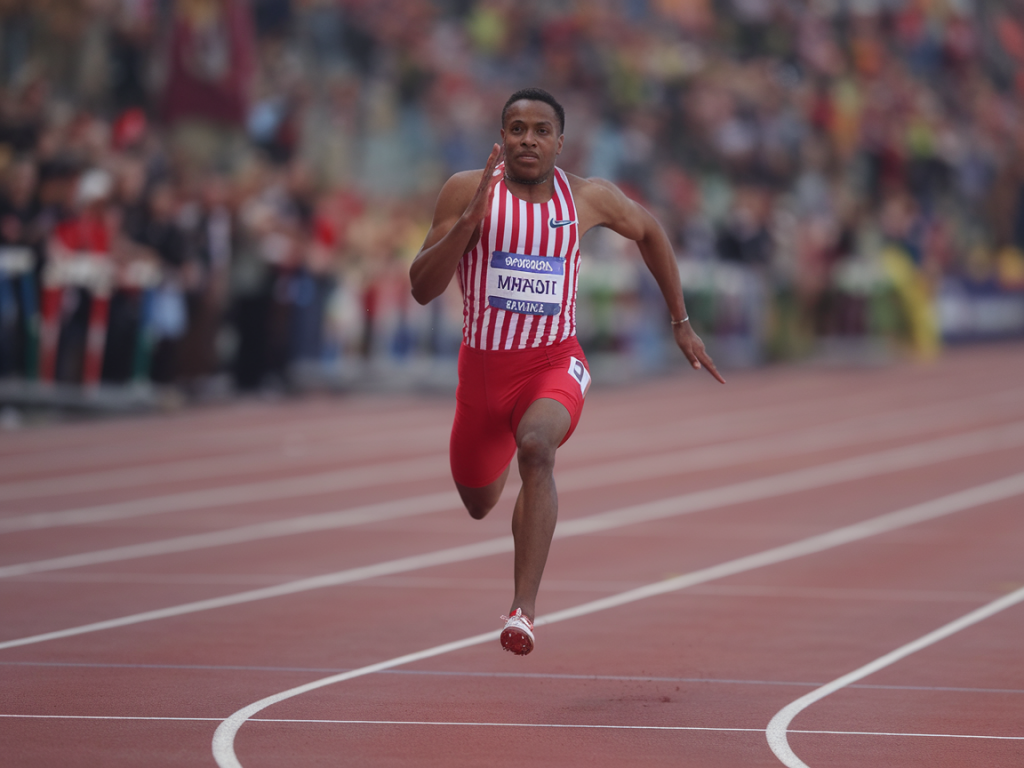
I spend a lot of time working with players and teams that face the same problem you do: a jam-packed fixture schedule and no licence to add extra gym sessions. Yet coaches still want that quick-fire 10m acceleration — the first five steps that win duels, beat markers and create space. Over the years I've tested and refined microcycle drills that slot into regular training, preserve freshness and deliver measurable gains in short-range acceleration. Below I share the three I use most frequently, why they work, how to dose them during a congested week, and simple ways to monitor progress without complicated equipment.
Why focus on microcycle drills (not extra gym time)?
When fixtures pile up, the limiting factor is recovery. Adding weighted sessions in the gym increases neuromuscular load and soreness. Microcycle drills — short, highly specific exercises embedded into technical or tactical sessions — let you target the neural and mechanical components of the first 10m without large metabolic or eccentric stress. In plain terms: you train the nervous system and movement patterning needed for explosive starts, not max strength.
Drill 1: Short resisted accelerations (band or partner) — 10–15m, submaximal sets
What it trains: Improves horizontal force application and hip extension mechanics while keeping loads low. Resisted runs prime the posterior chain and teach players to apply force into the ground during the initial steps.
How to run it: Use light resistance bands (e.g., 10–20kg equivalent) or a light partner chase. From a 2-point or on-your-knees start, perform 4–6 reps of 10–15m accelerations at ~85–90% effort with full recovery (60–90s) between reps. Keep sessions short — five minutes total per player.
Progressions and variations: If a player needs more specificity, change start positions: half-kneeling, step-back start, or a reactive stimulus (coach clap). Regress by reducing band resistance or distance.
Why it fits a congested week: The resistive load is low and concentric-dominant. It provides neural stimulus without heavy eccentric damage that impairs match availability.
Drill 2: Contrast reactive starts — cue, 3–4m march to 10m flat sprints
What it trains: Maximises reactivity and turnover at the first two steps, combining a short reactive movement with an immediate sprint. This improves ground contact time and stride frequency right out of the blocks.
How to run it: Players begin with a 3–4m slow “march” or low-intensity skip to pre-load the hips, then react to an auditory or visual cue and sprint 10m flat-out. Perform 6–8 reps with 30–45s rest between reps and two sets. Total active time is minimal — about 6–8 minutes for the whole drill.
Coaching cues: “Short and powerful first steps”, “drive the ground back”, “stay low for two steps then rise”. Use mirrors or video on a phone to give quick feedback on body angle and arm action.
Variations: Add a reactive defender or ball to simulate match context. For youth players, lengthen the pre-load march to emphasise rhythm rather than force.
Drill 3: Assisted overspeed strides (sled tow, downhill, or light harness) — 15–20m with strict control
What it trains: Improves stride frequency and neuromuscular timing by briefly exposing the athlete to slightly higher than natural velocities. When done carefully, assisted work enhances turnover without heavy loading.
How to run it: Use a light sled tow with spring cord, a slight downhill (1–2°), or an assisted harness system (e.g., only a few percent overspeed). Keep distance to 15–20m, 4–6 reps, and effort controlled — the athlete should focus on relaxation and quick feet rather than max velocity. Rest 60–90s between reps.
Safety and progressions: Overspeed should be subtle — if technique breaks down (overstriding, flailing arms), reduce assistance. Only use with players who have stable technique and no acute injuries. Start once per week in heavy schedules, increase to twice only when recovery allows.
Programming these drills across a congested microcycle
Here’s a simple template I follow for a congested week (match days on Sat and Wed pattern) that doesn’t add gym work and keeps neuromuscular freshness:
| Day | Session focus | Acceleration drill | Volume |
| Match -3 (e.g., Sunday) | Tactical + low-load speed | Resisted accelerations | 4–6 reps × 10–15m |
| Match -2 (Monday) | Technique and set-pieces | Contrast reactive starts | 6–8 reps × 10m (2 sets) |
| Match -1 (Tuesday) | Light walk-through | Optional assisted strides (very light) | 3–4 reps × 15m only if freshness high |
| Match day | Warm-up only | Short sprint activations (2–3 × 10m) in warm-up | Low intensity |
Key points: keep total sprint volume low (under ~30–40m of high-quality acceleration work per session), prioritise full recovery between reps, and skip the assisted strides if players report heavy legs.
Monitoring, cues and simple tests
You don’t need GPS or force plates to track improvement. Use simple, repeatable tests and subjective measures:
Look for improvement in step length and contact quality rather than only raw time — smoother, more forceful first contacts and reduced ground contact times are good signs.
Recovery and load management
Because these drills are low-volume and specific, they’re safe in a congested week — but only if recovery is prioritised. Simple recovery strategies I insist on:
If players are under-recovered, drop resisted accelerations first, keep purely reactive starts in the technical session, and treat overspeed as a bonus only when freshness allows.
Practical kit and quick wins
For most amateur teams the kit already exists: light resistance bands, a harness or light sled, cones, and a phone for video. Brands like Exxentric or SKLZ make affordable bands and harnesses; a gentle downhill slope in the park will do for assisted strides.
My quickest win with teams is one focused coaching cue session: spend five minutes fixing the body angle (lean, drive, arms) and follow with 4–6 high-quality resisted reps. Players usually feel faster within a week, and those gains are often preserved across matches when paired with the conservative weekly template above.