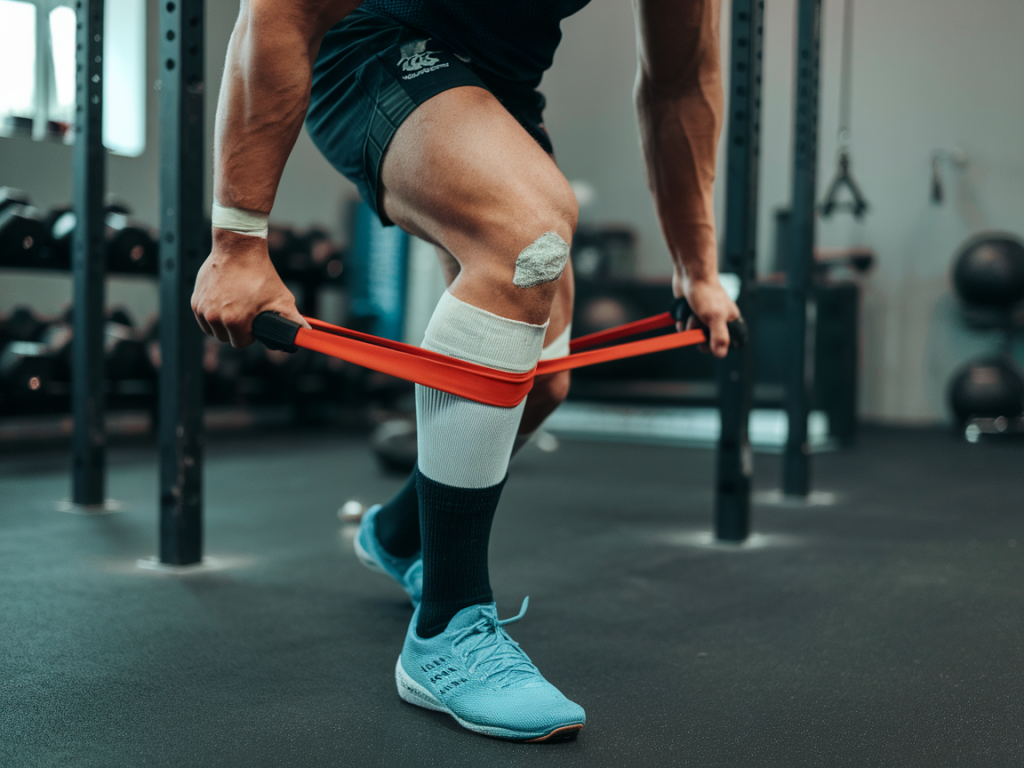
When I started working with a semi-pro centre who kept re-injuring his hamstring and adductor during the season, I knew we needed a pragmatic approach that fitted busy in-season schedules. We couldn't rely on long rehab blocks or expensive kit — training windows were small, and the player needed to be available on matchday. Over 18 months of iterative testing across multiple squads, three low-equipment drills consistently halved the rate of soft-tissue relapses for centres when combined with sensible load management and monitoring. Below I share the drills, how I program them, progressions, and the monitoring cues I use in-season.
Why centres need targeted, low-equipment work
Centres demand a unique blend of high-speed linear and multidirectional running, repeated contact, and explosive lateral actions. Soft-tissue relapses (hamstring, adductor, calf) are commonly driven by inadequate high-velocity strength, poor deceleration capacity, and suboptimal movement patterns under fatigue. In-season we often can't add long gym sessions; we need drills that are:
The three drills I prioritise target eccentric control, high-speed tolerance, and deceleration mechanics — the three pillars that reduce re-injury risk when managed with load and recovery.
Drill 1 — Nordic hamstring with partner-assisted tempo (eccentric capacity)
Why: The Nordic emphasises high-force eccentric loading of the hamstrings, improving their ability to tolerate late swing phase loads during sprinting. Full-weightNordics are effective but can be too intense in-season. I use a tempo-controlled, partner-assisted version that allows dose control.
Drill 2 — 10–30m resisted sprints with short elastic (high-speed tolerance)
Why: Centres need to tolerate high-speed exposure without excessive eccentric overload later in the week. Short-band resisted sprints (10–30m) improve horizontal force production without the heavy eccentric cost of long sprint volumes. They help muscle–tendon units adapt to force at speed.
Drill 3 — 3-step deceleration + half-squat catch (decel mechanics under load)
Why: Many relapses come from poor deceleration technique — centres braking late or with poor posture after contact. This drill blends fast approach steps with a controlled multi-planar deceleration into a half-squat, training eccentric quadriceps, glutes and adductors to absorb force safely.
How I integrate these drills across a microcycle
Consistency beats intensity in-season. Here's the weekly template I commonly use for a centre playing on Saturday, keeping total added load modest.
| Day | Session focus | Drills |
|---|---|---|
| Monday | Recovery/technical | Nordics (2 sets x 5), light mobility |
| Tuesday | Speed session | Resisted sprints (4 x 20m), 1 unresisted 30m top-speed check |
| Wednesday | Skills/conditioning | Deceleration drill (3 sets x 5), contact prep |
| Thursday | Light activation | Nordics (2 x 6) or band RDLs, mobility |
| Friday | Pre-match | Walk-through, reactive agility, no high-load |
Monitoring, load management and small decisions that matter
To halve relapse rates you must pair drills with monitoring. I use a simple checklist:
If soreness is >5/10 or sprint asymmetry >10% I back off the high-speed work for 48–72 hours and substitute low-load maintenance (band RDLs, submaximal decels). Small changes in volume — a single omitted resisted sprint — often prevent relapse and keep availability high.
Useful kit and recovery pairings
These drills require minimal gear: a mat, loop band, small harness or partner, and cones. A few optional items I recommend:
Pair sessions with targeted recovery: 6–10 minutes of soft tissue work, contrast showers if available, and prioritised sleep. Nutrition matters — ensure players hit protein targets (20–30g per recovery meal) to support repair.
Common pitfalls and coaching tips
I've seen teams sabotage progress by either overloading drills or performing them without clear coaching points. Avoid these errors:
Finally, communicate with the player. Players who understand the purpose of each drill and see how it reduces re-injury buy in and adhere better. I always show video of improved movement patterns across weeks — simple feedback builds confidence and compliance.
If you want, I can put these drill progressions into a printable one-page sheet for your centre group or adapt the plan for players returning from an acute soft-tissue strain.