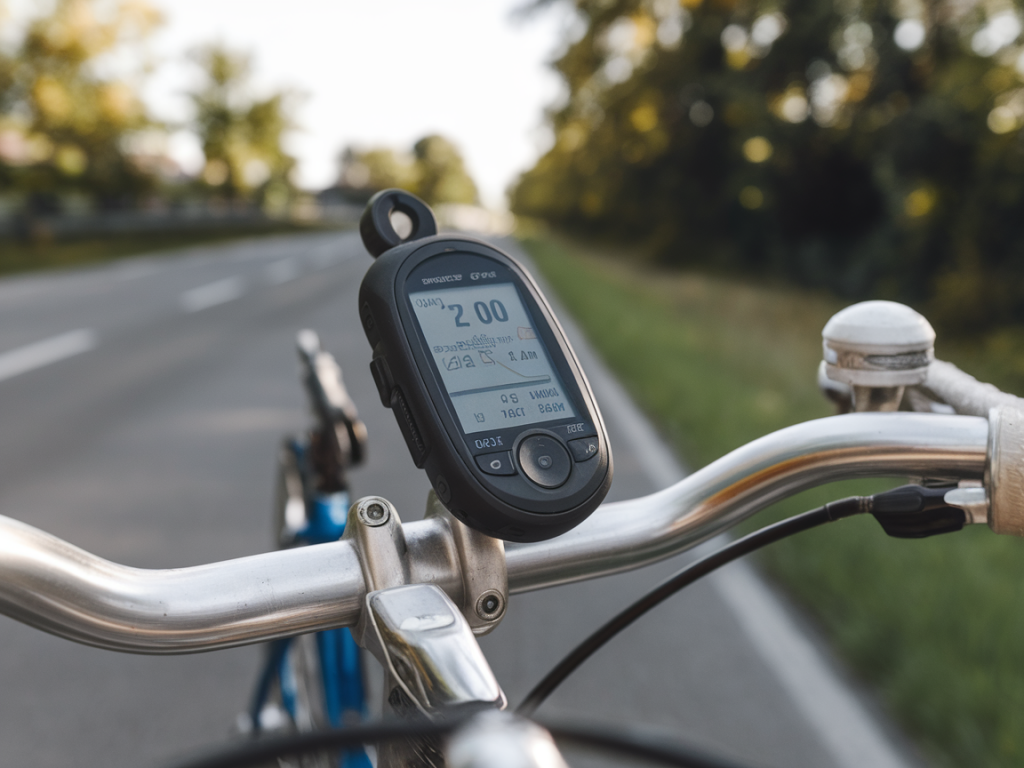
I bought a sub-£300 GPS unit for my own sessions last season and brought it to a few match days and training sessions to see what it could — and couldn't — deliver compared to the pro-grade Catapult units scouts often trust. If you're a semi-pro player, coach or scout asking whether an affordable home device can replicate Catapult outputs, here's my practical, experience-based take: yes and no — depending on what metrics you care about, how you use the device, and how rigorous you need the data to be.
What scouts actually use Catapult for
Before comparing devices, it's worth being explicit about why talent ID teams favour Catapult. For many clubs Catapult provides:
Scouts value consistency, validity and the ability to compare like-for-like between players and sessions. That's the bar a £300 device needs to clear to be treated the same.
What a £300 GPS unit typically offers
Most consumer GPS units in the ~£150–£350 range (examples: Garmin Forerunner/Enduro light models, Polar Vantage M series, or stand-alone units from brands like CatEye or Firstbeat's consumer integrations) provide:
What you generally don't get at that price point is validated match-grade algorithms tuned for repeated high-speed efforts, body-load measures that have been cross-validated against lab systems, or the kind of session management and video integration Catapult offers.
Practical strengths I found using a £300 unit
In real sessions I tested the affordable unit against coach-held radar and video timing gates, and the strengths became clear:
These practical positives make consumer units attractive for internal monitoring, conditioning programmes, and for players building portfolios to show scouts some objective evidence of their physical profile.
Key limitations I observed
Where the consumer units fell short — and where scouts should be cautious — was in precision and standardisation:
When a £300 unit is "good enough" for scouts
Based on my testing and conversations with semi-pro scouts, a home GPS unit can match Catapult outputs for many practical scouting needs if:
What scouts should request when evaluating consumer device data
If you're a player or coach sending data to scouts, ask to include:
Simple comparison table (observed typical differences)
| Metric | Catapult (match-grade) | £300 consumer GPS (typical) | Practical note |
|---|---|---|---|
| Max speed (10Hz) | High precision (±0.05–0.15 m/s) | Lower precision (±0.2–0.6 m/s) | Good for trends, less reliable for marginal comparisons |
| Peak acceleration | Validated accelerometer and algorithms | Basic accel data, smoothed | Short explosive efforts can be underestimated |
| Distance covered | Accurate with high-frequency GPS + filters | Reasonably accurate in open field | Urban or stadium metal structures reduce accuracy |
| PlayerLoad / body load | Standardised Catapult metric | Device-specific estimate or none | Not comparable across brands |
How I use consumer units in my coaching and scouting workflow
For my part, I treat cheap GPS units as a complementary tool. I use them to:
That hybrid approach — wide net using affordable tech, then confirm with higher-spec testing — is pragmatic and realistic for semi-pro clubs and scouts with limited budgets.
Practical tips if you buy a budget GPS
In short: a £300 unit won't magically replace the confidence Catapult gives to scouting departments, but with disciplined use and transparency it can be an effective part of a scouting case. It can highlight talent, show progress, and provide a low-cost, repeatable dataset — as long as scouts and coaches understand its limitations and ask for the right accompanying information.