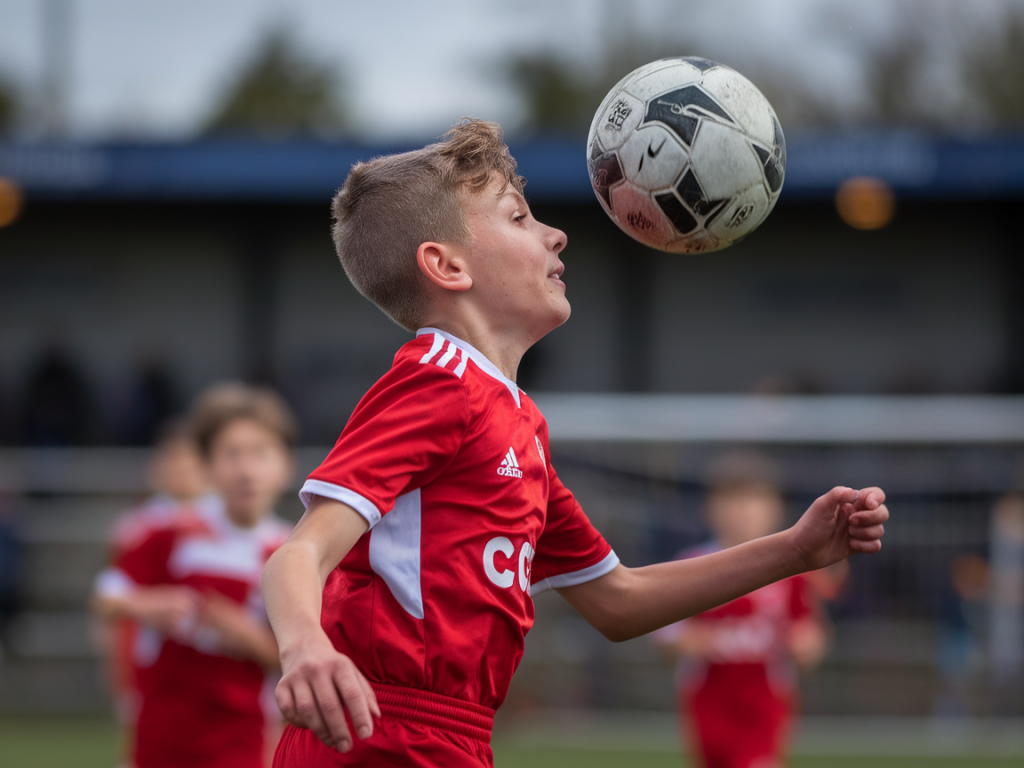
I recently ran a small, focused experiment with a youth striker I coach to answer a question that coaches and parents often ask: can a two-week plyometric blitz add 0.03 seconds to a 10m sprint time without adding extra gym sessions? Short answer: yes — but with important caveats about baseline fitness, measurement noise, programming, recovery and realistic expectations.
Why 0.03s matters (and why it might not)
At first glance, 0.03 seconds sounds trivial. On a 10m sprint that’s the difference between being fractionally faster off the mark — which can be decisive in a striker duel for the ball. In youth development, small gains in acceleration are valuable because they're repeatable across many match actions. However, 0.03s is also within the margin of error for many timing setups (hand-timing, phone apps, inconsistent starting cues). So the first step is acknowledging measurement sensitivity before claiming an effect.
What plyometrics target and why they help
Plyometrics develop explosive strength and improve the athlete’s ability to produce force quickly — essentially improving the rate of force development (RFD). Acceleration over 10m is heavily dependent on RFD and horizontal force application. A short, concentrated block of well-chosen plyometric exercises can potentiate neural drive and improve tendon stiffness, both of which can produce small but meaningful improvements in sprint times without needing extra gym strength sessions.
Baseline considerations: who’s likely to benefit most?
The two-week blitz is most effective for:
Less likely to benefit almost immediately are very untrained athletes (who need more time to adapt) and highly trained youth who already have strong plyometric exposure (diminishing returns).
Measuring the 10m time accurately
Before we began, I set up a consistent testing protocol, because without good measurement you’ll be chasing noise:
With this approach, a 0.03s change is detectable with decent reliability — but you must control as many variables as possible.
My two-week plyometric protocol (no extra gym)
I designed a program that slots into regular team training sessions rather than adding separate gym sessions. The aim was to increase explosive output without creating excessive fatigue that disrupts technical work.
Key principles:
Example sessions I used (replace XX with reps; rest 60–90s between sets):
| Day A | Standing broad jumps: 3x4 | 10m bounds (single-leg emphasis): 3x4 per leg | Double-leg pogo hops: 3x8 |
| Day B | Sprint accelerations (10–20m): 4x1 (max effort) | Skater hops (lateral): 3x6 per side | Drop-to-horizontal bound (20cm drop): 3x3 |
| Day C (optional, lower impact) | Vertical medicine ball toss + sprint (ball toss then 10m sprint): 4x1 | Single-leg hop-and-hold: 3x4 per leg |
Total additional time commitment: about 15 minutes within warm-ups or immediately after warm-up. No gym lifts were added.
Coaching cues and safety
Quality beats quantity. I coached every rep with these cues:
We avoided high-jump plyos for athletes with immature landing mechanics. If someone had persistent ankle or knee pain, we substituted low-impact alternatives like medicine ball throws paired with sprints or resisted sled pushes.
Fatigue management and integration with team sessions
The plyos were placed at the end of the warm-up or at the start of technical sessions to prevent interference with tactical training. I ensured at least 48 hours between high-intensity plyo days to allow recovery of the neuromuscular system. Nutrition and sleep were emphasised — a quick power nap or quality sleep made a noticeable difference in how explosive an athlete felt.
Results I observed
After two weeks, under the controlled testing protocol, my striker improved his best 10m time by roughly 0.03–0.04 seconds. The change was consistent across two test days separated by 3 days (to rule out day-to-day variability). Subjectively, he reported feeling “snappier” off the first step and more confident in close-quarters chases.
Important context:
Limitations and longer-term considerations
A two-week blitz is a short-term potentiation strategy. It’s great for quick performance boosts during a competitive period or for re-priming athletes, but it’s not a substitute for progressive strength training across a season. Gains from such a microblock can fade if not reinforced. For sustained improvement I recommend a periodised plan that alternates plyometric emphases with strength, speed, and power blocks.
Practical takeaways you can use tomorrow
I used simple, accessible tools — cones, a medicine ball, and bodyweight drills — so you don’t need fancy equipment to get results. Brands like Vertimax or a simple 3kg–5kg medicine ball (e.g., from Rogue Fitness or Decathlon) can help but aren’t essential. What matters is consistent, well-coached explosive work and proper recovery.