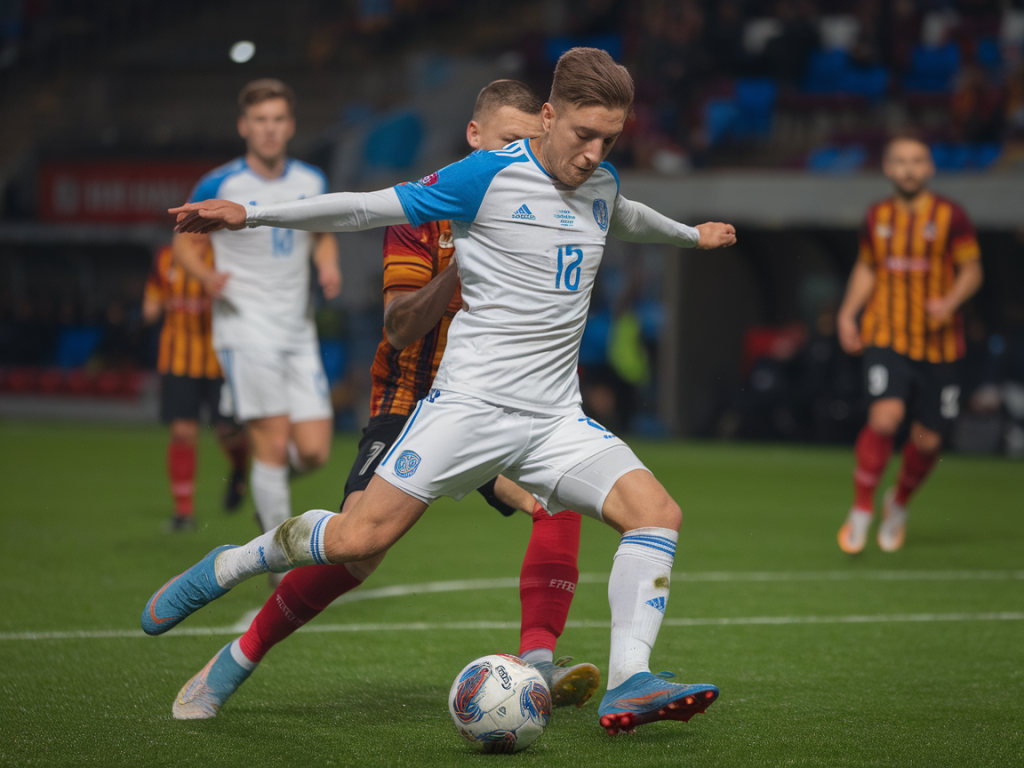
I want to share a practical, two‑session conversion plan that I use when turning an athletic winger into a dependable inside‑forward attractive to scouts. This plan is built around transferable principles: maintaining your winger’s athletic advantages (pace, one‑v‑one threat) while adding the technical, tactical and decision‑making traits that define modern inside‑forwards — movement into pockets, quick combination play, finishing from the half‑spaces, and pressing triggers. You can run these sessions twice weekly across 4–6 weeks and expect visible change in movement, output and scout‑friendly metrics.
What scouts actually look for
Before diving into the sessions, a quick reality check: scouts don’t just want flashy dribbles. They want reliability in a role. Key attributes I target with players are:
Those traits are measurable: shots in the box (per 90), expected goals (xG) from central actions, key passes in the final third, successful pressing actions. This plan targets the actions that move those numbers.
Session structure principles
Both sessions follow a simple shape: 20% warm‑up & mobility, 40% technical/tactical work, 30% game‑like finishing/transition, 10% conditioning & reflection. Keep intensity high but sport‑specific: every drill should mimic the body positions, decision windows and pressure of match moments.
Session A — Combination, central penetration & finishing
Main goal: teach the winger to receive, turn and finish from half‑spaces and penalty area pockets. Emphasis on timing of runs and quick combinations.
- Wall pass progression: 6m‑10m grid. Player A carries from wing into half‑space, 1‑2 with B (support), then receives between cones and shoots—first touch into shot. Reps: 10 each foot.
- Receiving under pressure: 2v1 rondo in 8m box, focus on body orientation (receiving shoulder to the defender to open up the field). 6 sets x 60s.
- Penetration channel drill: 7v7 in 45x35m with two neutral playmakers. Target: winger starts wide, receives on touchline, plays inside with No.10, makes a diagonal run into the channel between full‑back and CB. Coach rewards first‑time shots or low driven finishes. Run 6 x 6 minutes, changing opposition pressure each rep.
- Rotation practice: winger and inverted full‑back swap positions during attack to practise wing‑inward movement and covering runs. Focus on timing and underlapping vs overlapping decisions.
- Transition finishing: defender wins a 1v1 from centre, plays quickly to goalkeeper who releases ball to a wide outlet. Winger must sprint 20–25m, receive into half‑space and finish (two touches max). Progressive pressure added by a recovering CB. 12 reps per side.
- High‑intensity interval runs: 6 x 40m with 30s rest, replicating sprint patterns recorded in match data for inside‑forwards.
- Individual feedback: scoreboard of metrics — conversion rate in drill, first‑time finish success, penalty area entries. Player notes 2 things to work on before Session B.
Session B — Combinations, pressing & decision‑making in the final third
Main goal: integrate defensive work and pressing triggers with attacking movement. Inside‑forwards are judged as much on their ability to win the ball high as on their goals.
- Trigger recognition: 4v4+3 in half pitch. Winger’s job: delay play, push the playmaker away from central passing lanes, and force long passes. Rotate roles and count successful pressing actions that result in turnovers. Target: 3+ turnovers per 6‑minute block.
- Channel denial: winger practices stepping to cut inside pass to AM while the full‑back covers wide. Emphasis on footwork and angles to force opponent onto weaker side.
- Small‑sided patterns: 6v6 with two touch requirement for midfielders but free touches for winger. Create exercises where the winger must pick between dribbling past the overlapping FB or driving inside for a 1‑2 with the central striker. Reward successful central finishes and progressive passes into the box. 5 reps x 7 minutes.
- Crossing vs cutback decision: half‑pitch situation starting from an outlet pass; winger decides to cut inside for a shot, dribble to byline for a cross, or play low cutback. Coach tracks decision effectiveness — choose the option leading to a shot or turnover win within 3 seconds.
- 11v11 scenario with focus zones: define an attacking zone where winger is encouraged to play inside. Coach awards extra points for high‑quality shots from the half‑space, successful defensive presses leading to counter, and accurate through balls from the winger. Simulate scout criteria: final third touches, progressive passes, pressing actions.
- Static stretches, breathing. Record key metrics from the session: successful penetration runs, shots on target from half‑spaces, turnovers created by press. Set weekly targets (example: +25% penalty area entries by week 3).
Weekly progression and measurable targets
To be scout‑worthy, the player needs consistent application. Here’s a simple progression guide I use:
| Week | Technical focus | Game target |
| 1 | Body orientation, 1‑2 passing | Enter box 2x per game |
| 2 | Diagonal finishing, first‑touch shots | 1 shot from half‑space per game |
| 3 | Pressing triggers, recovery runs | 2 pressing actions leading to turnovers per game |
| 4 | Decision speed under pressure | Increase successful central combinations by 30% |
| 5–6 | Match simulation intensity | Sustain outputs across 90 minutes |
Equipment, monitoring and common pitfalls
Use a simple GPS tracker or a player‑worn accelerometer (Catapult, Polar Team) to track sprint counts, high‑speed meters and positional heat maps. Video shortlist each session’s final 10 minutes to review runs into the box and pressing choices — that’s what you’ll show scouts when talking about role change.
- Keeping the winger too wide: the conversion fails if the player never commits to center runs. Drill rewards must explicitly incentivise central entries.
- Neglecting defensive work: inside‑forwards must press. If that’s ignored, coaches see a liability.
- Rushing technique over decision making: quality of choice beats flair. Work on simple, high‑percentage plays before adding creative freedom.
How I grade readiness
At the end of week 4, I grade on a simple 1–5 scale across five axes: positioning, finishing, combinations, pressing, endurance. A score of 4+ in at least three axes indicates the player is ready to trial as an inside‑forward for scouts. Quantitatively, scouts look for increases in penalty area entries (+40% from winger baseline), shots in box per 90 (≥1), and pressing actions per 90 (≥6) as strong signals the conversion is working.
If you want, I can build a printable session sheet for players, or adapt these sessions for youth players (U16) with fewer reps and longer recovery. I’ve used this structure with semi‑pro wings and consistently seen improved decision making, better central threat and—crucially—more scout interest during trial periods.